Starlink Gen 3 vs Performance: What You Need to Know in 2025?

If you’re trying to decide between Starlink Gen 3 and the Performance variant, you’re not alone. Many buyers wonder which option suits their needs best. This article will break down the key differences between the two to help you make the right choice. Whether you’re new to satellite internet or just looking for an upgrade, understanding these two options will guide you in the right direction.

1. What Are “Gen 3” and “Gen 3 Performance”?
1.1 Overview of Starlink Gen 3
Starlink Gen 3 refers to the third generation of Starlink user‑terminal hardware. It brings significant updates over older versions in areas such as design, router features, and installation convenience. Gen 3 is mainly targeted at home or fixed-location users, offering improved WiFi, simplified setup, and more reliable day-to-day performance.

1.2 What “Gen 3 Performance” Means
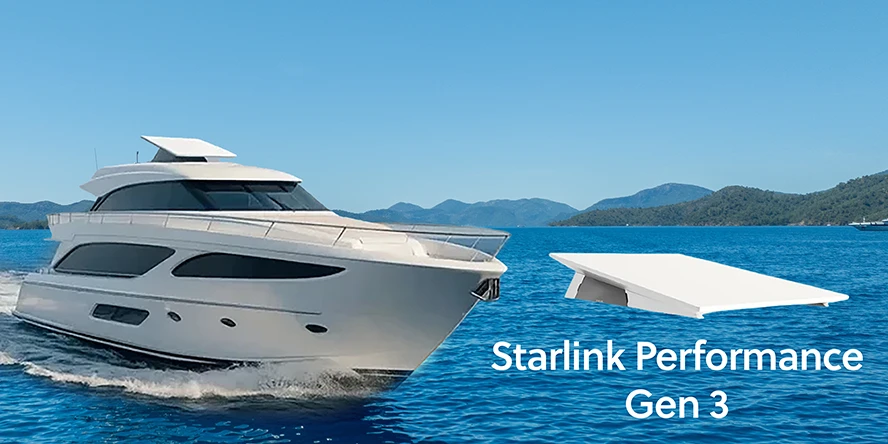
“Gen 3 Performance,” often referred to as the Performance Kit, is designed for users who need a more rugged and robust solution. This version features advanced components, such as a flat, electronically-steered phased array antenna, and is built to perform well in harsh weather, mobile environments (e.g., RVs or boats), and remote areas. It offers higher throughput and better reliability for demanding scenarios.
2. Head-to-Head: Gen 3 vs Gen 3 Performance
Here’s a clear comparison of the two models based on key features and user needs:
| Feature / Metric | Gen 3 | Gen 3 Performance |
|---|---|---|
| Intended Use Case | Home / Residential / Fixed | Mobile, Boat, RV, Remote, Harsh Conditions |
| Download Speed (peak) | Typical broadband speeds | Up to ~475 Mbps |
| Upload Speed (peak) | Typical broadband speeds | Up to ~75 Mbps |
| Field of View | Standard view | 140° wide view |
| Weather Resistance | Standard tolerance | High dust/water resistance (IP69K/IP68) |
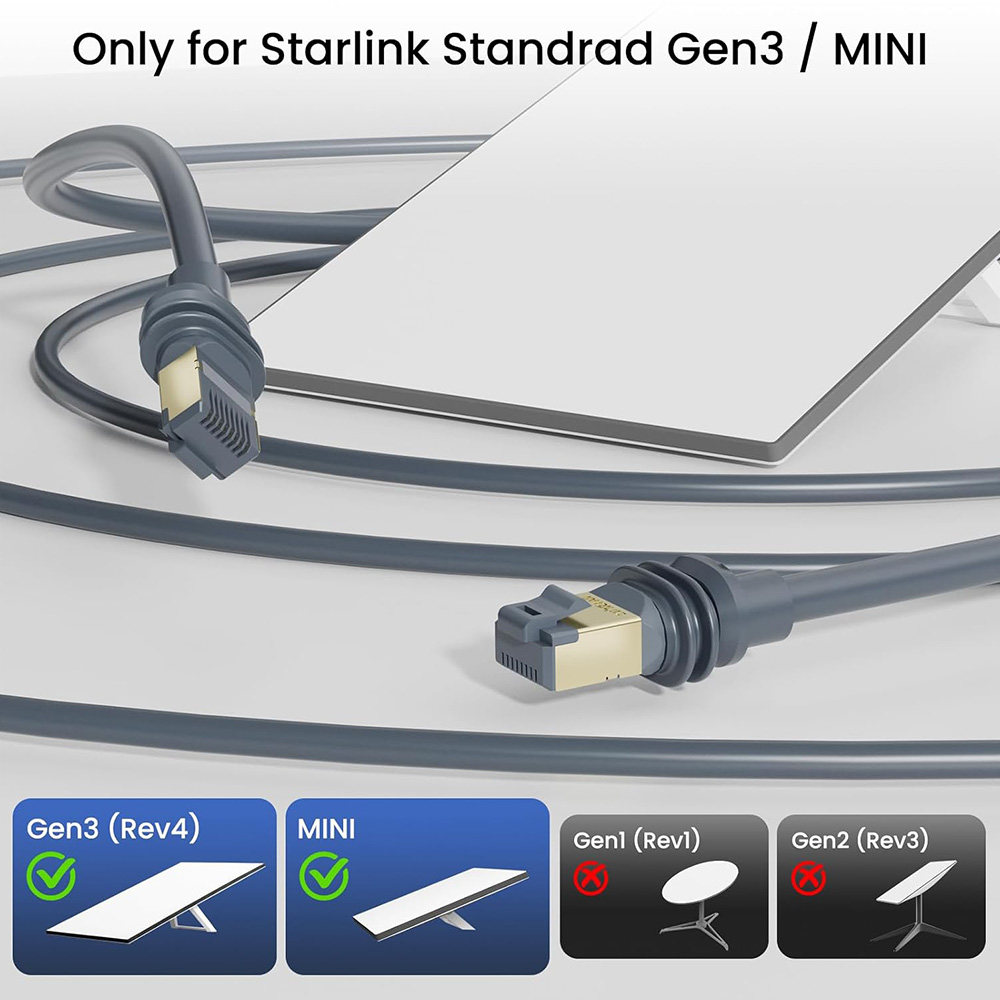
| Power Supply & Cabling | Standard cables, simpler setup | Advanced power supply, longer cables |
| Cost | Lower | Higher — Premium price for rugged design |
3. Why Performance Kit Matters — Advantages & Tradeoffs
3.1 Strengths of Gen 3 Performance
- Reliability in Tough Conditions: The Performance kit is designed for environments with extreme weather conditions like rain, snow, dust, and high winds. It can handle mobile setups, such as in RVs or boats, where the standard Gen 3 might struggle.
- Higher Throughput: With download speeds reaching up to 475 Mbps, Gen 3 Performance is more suitable for users who need fast internet for multiple devices, heavy data usage, or business purposes.
- Better Satellite Tracking: The Performance kit comes with a 140° field of view, which makes it more effective at tracking satellites even when the dish is slightly off-angle. This is especially beneficial for moving vehicles and boats where satellite positioning changes often.
- Rugged Design: The dish and components are built to withstand harsher conditions, with high ingress protection ratings (IP69K and IP68), making it a reliable choice for users who live in remote locations or frequently travel.
3.2 When Standard Gen 3 Makes Sense
- Home or Fixed‑Location Users: If you’re looking for a straightforward home internet solution, the standard Gen 3 dish is sufficient. It provides a stable internet connection for browsing, streaming, and working from home.
- Affordable and Simpler Setup: The standard Gen 3 is more affordable than the Performance kit and easier to set up, making it an ideal choice for those who don’t need the advanced features of the Performance kit.
- Day-to-Day Internet Usage: If your internet needs are focused on general browsing, video streaming, or casual gaming, the standard Gen 3 delivers a solid performance without the need for the added complexity and cost of the Performance kit.
4. Use Cases: Which Should You Choose?

- Home Use and Budget Constraints: If you simply need reliable home internet and want to keep costs down, standard Gen 3 is a great option. It will handle everyday tasks like streaming, browsing, and video calls with ease.
- Frequent Travelers or Mobile Users: If you frequently travel in an RV, boat, or live in remote areas, the Gen 3 Performance kit is the better choice. Its durability and ability to withstand challenging weather and mobile setups will provide more reliable connectivity.
- Business and High-Data Needs: For businesses or users who need to handle multiple devices or require a strong, consistent connection for video conferences, large uploads, or heavy data streaming, the Performance kit’s higher throughput and reliability will better suit your needs.
5. Real-World Experience and Limitations

While many users report smooth performance with both Gen 3 and Gen 3 Performance, there are some differences in experience depending on the setup and environment. For example, some users find that the extra cost of the Performance kit may not be necessary unless they encounter specific challenges like frequent mobile use or extreme weather conditions.
One key consideration is that even with the superior design of the Performance kit, real-world performance still depends on several factors like satellite network load, weather conditions, and local infrastructure. Performance can fluctuate based on the satellite’s capacity and network congestion, meaning even the best kit won’t guarantee perfect service at all times.
6. Which One Fits You Best?
Choosing between the standard Gen 3 and the Performance kit depends on your needs:
- For Stable, Home Use: The standard Gen 3 is ideal for homeowners who want reliable internet without breaking the bank.
- For Remote, Mobile, or Harsh Environments: The Gen 3 Performance kit is worth the investment if you need high performance in remote locations, on the go, or under challenging weather conditions.
Each model offers great performance in its own right, but their features are tailored to different types of users. For occasional or fixed-location users, standard Gen 3 is sufficient. However, if you plan to use Starlink in a more demanding environment, the Performance kit ensures better coverage and reliability.
FAQ — Common Questions from Users

Q1: Will standard Gen 3 give me 400+ Mbps download speeds?
A1: Possibly, but this depends on network load, satellite coverage, and usage patterns. Standard Gen 3 may provide good speeds but rarely reaches the higher speeds seen in the Performance kit under optimal conditions.
Q2: Do I really need the Performance kit if I’m just staying at home?
A2: For most home users, the standard Gen 3 provides sufficient speeds and reliability. The Performance kit is generally better suited for mobile or harsh environments.
Q3: Is the installation of the Performance kit more complicated than the standard Gen 3?
A3: It may be slightly more complex due to the robust hardware and additional components, but with the right tools, the setup is manageable for most users.
Q4: Can I use a third-party router with the Performance kit?
A4: Yes, the Performance kit supports third-party routers. It includes Ethernet ports for advanced networking setups.
Q5: Does heavy weather affect the Starlink Performance Gen 3 connection when using this extension cable?
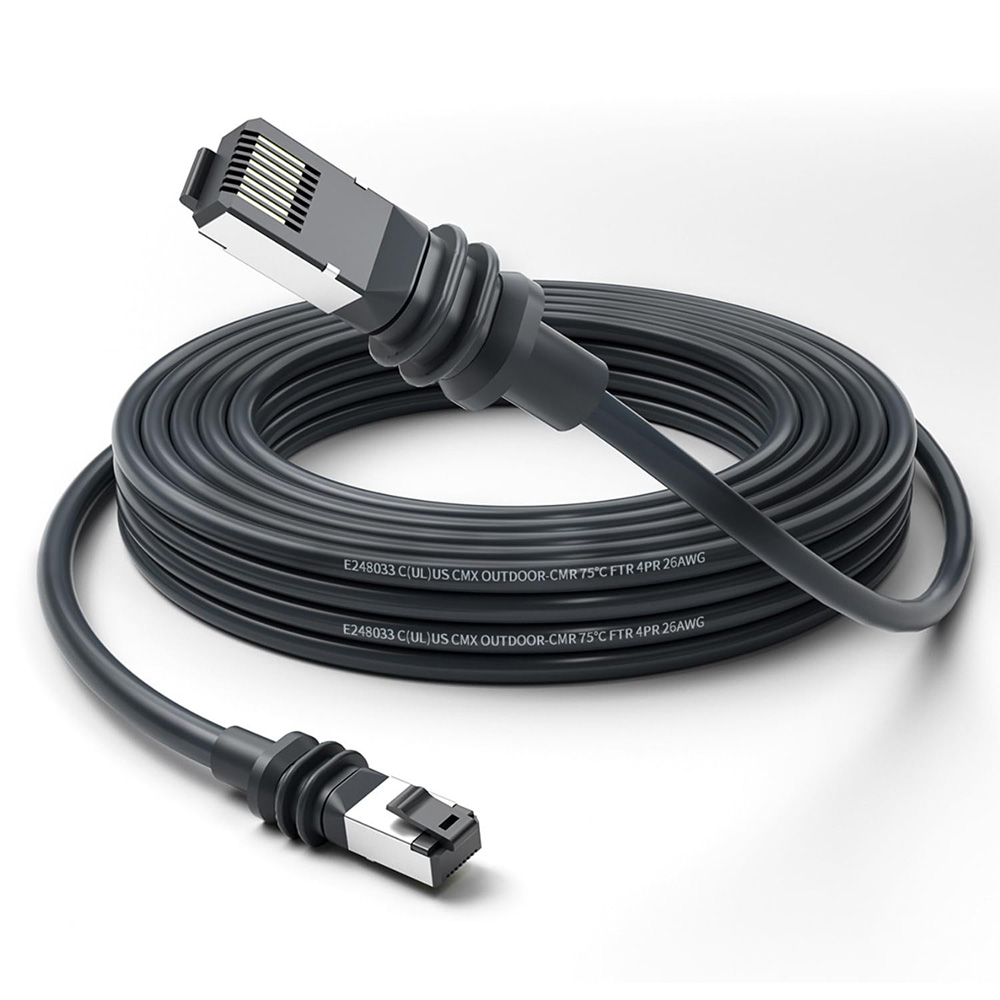
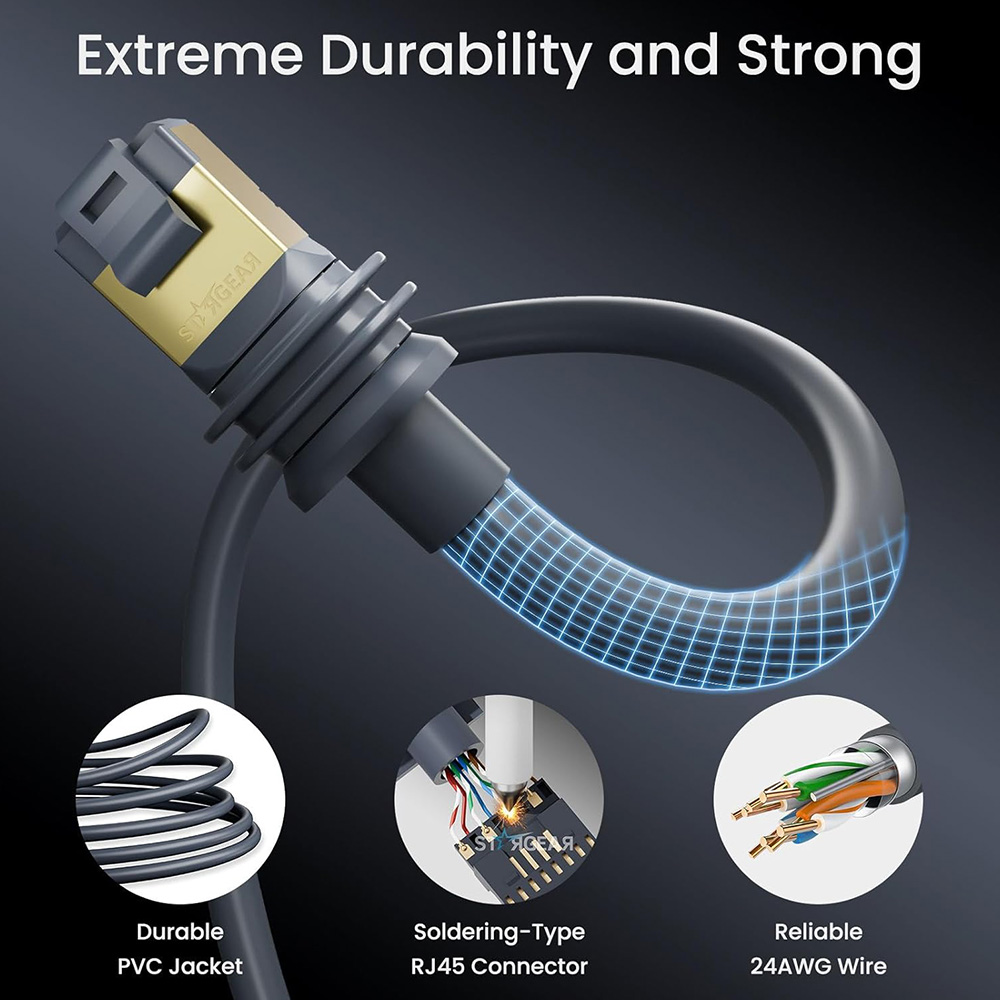
A5: This Starlink Performance Gen 3 extension cable is built to withstand tough weather conditions. It is UV-protected, water-resistant, windproof, and low-temperature resistant. Even in severe weather like heavy rain, snow, or strong winds, the cable remains durable and ensures stable performance, allowing for reliable connection.

Conclusion
Both Starlink Gen 3 and Gen 3 Performance have their strengths. For home or light internet users, standard Gen 3 provides a great value.
If you’re dealing with mobile setups, extreme weather, or business-level demands, then the Gen 3 Performance kit is the better choice. Select the one that best fits your lifestyle, environment, and usage needs.